
Sitting All Day: Desk Stretches and Movement Snacks That Actually Help
Sitting isn't the villain — staying still for hours is. Here are simple desk stretches and tiny movement breaks, plus the triggers that make you remember them.
 Maya Chen
The library
Every guide we've published, newest first. 34 in-depth articles on focus, tools, remote work, and digital wellbeing.
Sitting isn't the villain — staying still for hours is. Here are simple desk stretches and tiny movement breaks, plus the triggers that make you remember them.
Maya Chen

What two-factor authentication actually is, why SMS codes are the weakest option, and how passkeys are quietly replacing passwords altogether in 2026.
 Daniel Okafor

Phishing runs on urgency and misplaced trust, not technical wizardry. Here are the concrete red flags to check, a quick checklist, and what to do if you clicked.
Daniel Okafor

Remote burnout creeps in through blurred boundaries and always-on availability. Here are the early warning signs and the structural fixes that actually hold.
 Sofia Almeida

To-do lists capture work; time blocking commits to it. Here's an honest comparison of both methods, the traps each one hides, and a hybrid that actually holds up.
Maya Chen

Your one-on-one is the most underused half-hour on your calendar. Here's how to prepare, bring real topics, and make it count when you're working remotely.
Sofia Almeida

Inbox zero isn't about an empty inbox — it's about an empty mind. A simple, sustainable system for processing email in batches without becoming a slave to it.
Maya Chen
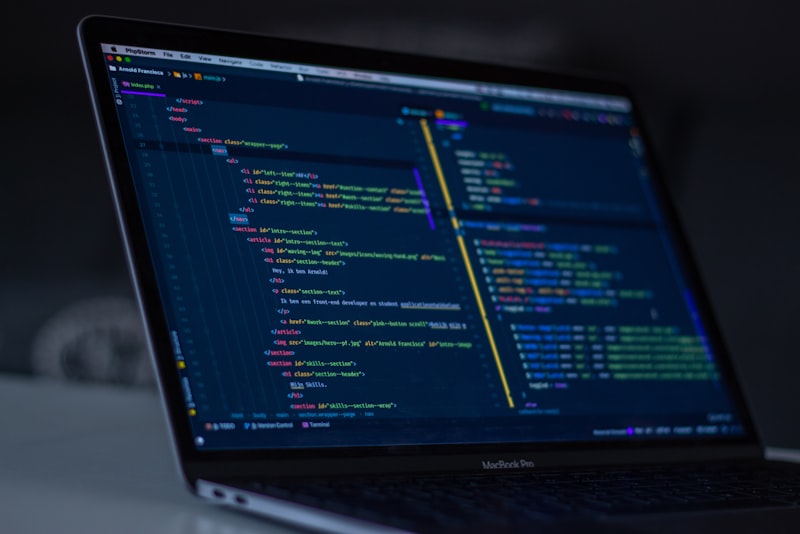
Single-tasking is not about having perfect discipline. Learn how to reduce attention switching, finish cleaner work, and make one task easier to stay with.
Maya Chen

A practical guide to running remote meetings worth attending: shorter agendas, clear owners, a shared doc, camera-optional norms, and knowing when to go async.
Sofia Almeida

A practical note-taking method for turning scattered captures into useful ideas you can find, connect, and reuse without depending on a perfect app.
Maya Chen
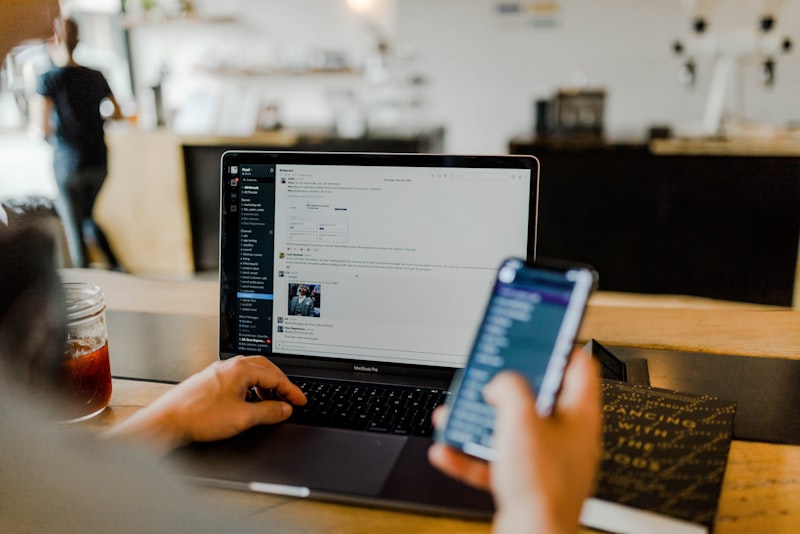
Starting a remote job can feel quiet and confusing. Use the first 30 days to build context, relationships, routines, and a few credible early wins.
Sofia Almeida

Remote feedback needs more care because tone is easier to miss. Learn how to make feedback specific, kind, timely, and easier to act on.
Sofia Almeida

A practical 30-day digital minimalism reset: step back from optional tech, then reintroduce it on purpose. What to remove, what to replace it with, and rules that last.
Sofia Almeida

A calm guide to evening screen habits: reduce stimulation, set a wind-down routine, and make your phone less likely to pull you past bedtime.
Sofia Almeida
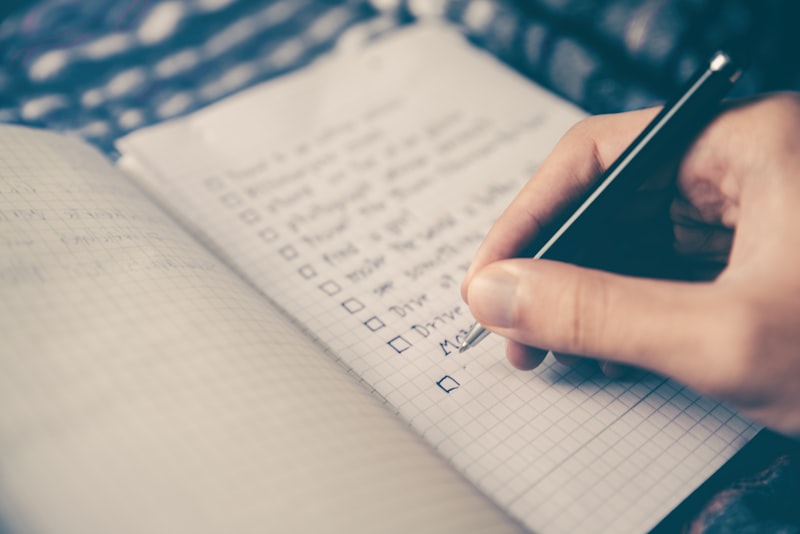
The two-minute rule is the simplest productivity trick that actually sticks. Here's how to use it to clear small tasks, build momentum, and start big habits.
Maya Chen
A plain-English guide to VPNs: what they protect, what they do not, who needs one, and how to choose a provider without falling for privacy theater.
Daniel Okafor

A practical guide to reducing digital friction: silencing notifications, cleaning your desktop and browser, and using focus modes so your tools help you work.
Daniel Okafor

A plain-English guide to password managers: how they work, why they're safer than memorising passwords, and how to pick and set one up the right way.
Daniel Okafor
The weekly review is the keystone habit that makes every other productivity system work. Here's a frictionless 20-minute checklist and how to make it stick.
Maya Chen

How to spot what's worth automating and the tools to do it — text expansion, email rules, built-in OS shortcuts, and no-code connectors — without overcomplicating things.
Daniel Okafor

How distributed teams can make async the default: write with context, set response-time expectations, pick the right channel, and lift the always-on pressure.
Sofia Almeida

The afternoon energy slump is normal, not a flaw. Here's why the post-lunch dip happens and practical, non-caffeine ways to work with it instead of fighting it.
Maya Chen

Deep work is rare, valuable, and harder to protect than ever. A practical guide to scheduling focus blocks, building rituals, and resisting the urge to check.
Maya Chen

A practical comparison of free note-taking apps in 2026, sorted by the job you need done — quick capture, structured wikis, plain text, or handwriting.
Daniel Okafor

A grounded, step-by-step way to ask for a raise: build the case, research the range, time it well, run the conversation, and handle a 'not right now' gracefully.
Sofia Almeida
A weekly tech sabbath — one screen-free day or half-day — beats willpower because it's a recurring ritual. Here's the idea's history and how to actually do it.
Sofia Almeida

The Eisenhower Matrix sorts tasks by urgent versus important. A clear walkthrough of all four quadrants, real examples, and how to honestly act on each.
Maya Chen

A plain guide to backing up files using the 3-2-1 rule, why cloud sync is not a backup, and how to set up protection that survives drive failure and ransomware.
Daniel Okafor

How to set up a comfortable, ergonomic home office without overspending: where to put your money first, clever cheap fixes, and what to skip entirely.
Sofia Almeida

Work notifications are a design choice you can change. Here's how to audit and kill most of them, separate work from personal, and reset team norms — calmly.
Sofia Almeida
A repeatable 20-minute weekly planning ritual: pick three outcomes, map them to your calendar, and anticipate the obstacles before they derail you.
Maya Chen
An honest look at AI writing assistants in 2026 — where they genuinely help with drafting and brainstorming, where they fail on facts and voice, and how to use them well.
Daniel Okafor

Staying visible remotely isn't about looking busy. Share outcomes, keep a work log, send brief updates, and make your manager's job easier — here's how.
Sofia Almeida
Forget the 5 AM guru routine. What actually improves your morning: protecting the first hour from inputs, one anchor habit, and a consistent wake time.
Maya Chen